Military Attache: Witness to Carnage
- By Peter Harmsen
- 22 December, 2014
- No Comments
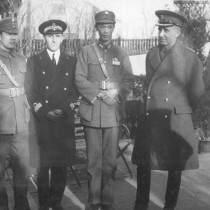
American Colonel William Mayer lived and worked in China from the 1920s to the mid-1940s, making him the archetypal old China hand. Luckily, one of the results of his quarter-century-long stay in … Continue Reading →
Soaring Dragon
- By Peter Harmsen
- 28 November, 2014
- 3 Comments
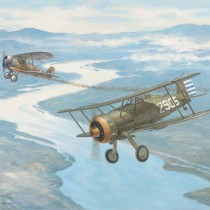
For Roy Grinnell, one of the world’s leading aviation artists, the air war over China in the 1930s and 1940s has been a favorite subject for years. We’re proud to … Continue Reading →
China’s National Anthem: A Product of War
- By Peter Harmsen
- 14 November, 2014
- No Comments
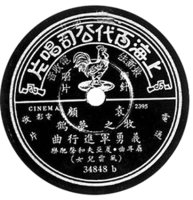
Among the national anthems of this world, China’s is one of the most stirring, and it’s heard increasingly when the country’s athtletes win at international events or its leaders go … Continue Reading →
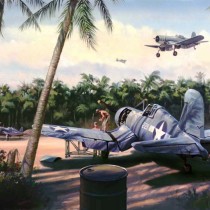
Knights of the Air (II)
- By Peter Harmsen
- 23 October, 2014
- No Comments
In the previous post, we introduced aviation artist Jim Laurier. With his kind permission, we bring you some more examples of his work, from the China and Pacific theatres of … Continue Reading →
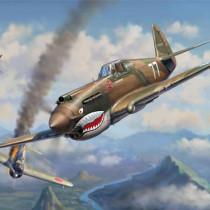
Knights of the Air (I)
- By Peter Harmsen
- 17 October, 2014
- No Comments
Jim Laurier, a native of New England, has created some of the most amazing aviation art in existence, and luckily for those with an interest in the war in China, … Continue Reading →
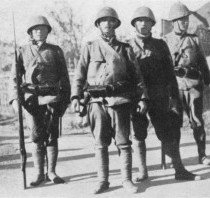
64 Seconds in Hell
- By Peter Harmsen
- 10 October, 2014
- No Comments
What was it like to be a Chinese or Japanese soldier fighting for one’s life in and around Shanghai in the fall of 1937? No one who wasn’t actually there … Continue Reading →
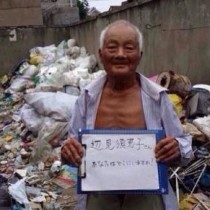
The Japanese Girl
- By Peter Harmsen
- 19 September, 2014
- No Comments
Zhou Fukang was 23 years old when he met the love of his life. It was a brief encounter, and he never saw her again. At the age of 92, … Continue Reading →
China’s Best Ambassador
- By Peter Harmsen
- 22 August, 2014
- No Comments
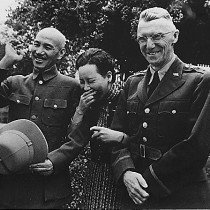
Song Meiling, China’s First Lady during the war, was her country’s best ambassador by far. “China’s Joan of Arc,” she was called, and “the most powerful woman in the world.” … Continue Reading →
The Battle Erupts (II)
- By Peter Harmsen
- 13 August, 2014
- No Comments
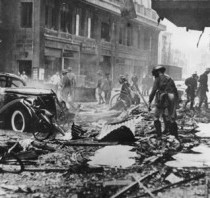
“Launch the assault.” This was in essence the message sent from supreme Chinese leader Chiang Kai-shek to his frontline commanders near Shanghai during the night between August 13 and 14. … Continue Reading →
The Battle Erupts (I)
- By Peter Harmsen
- 12 August, 2014
- No Comments
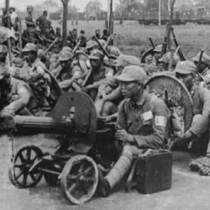
Friday, August 13, 1937 marked the start of the epic, three-month battle of Shanghai, at least according to official Chinese historiography, where the date is so widely accepted that a … Continue Reading →


 Copyright © 2026