
The Savage Plan: The Wartime Blueprint for the Three Gorges Dam
- By Peter Harmsen
- 28 May, 2026
- No Comments

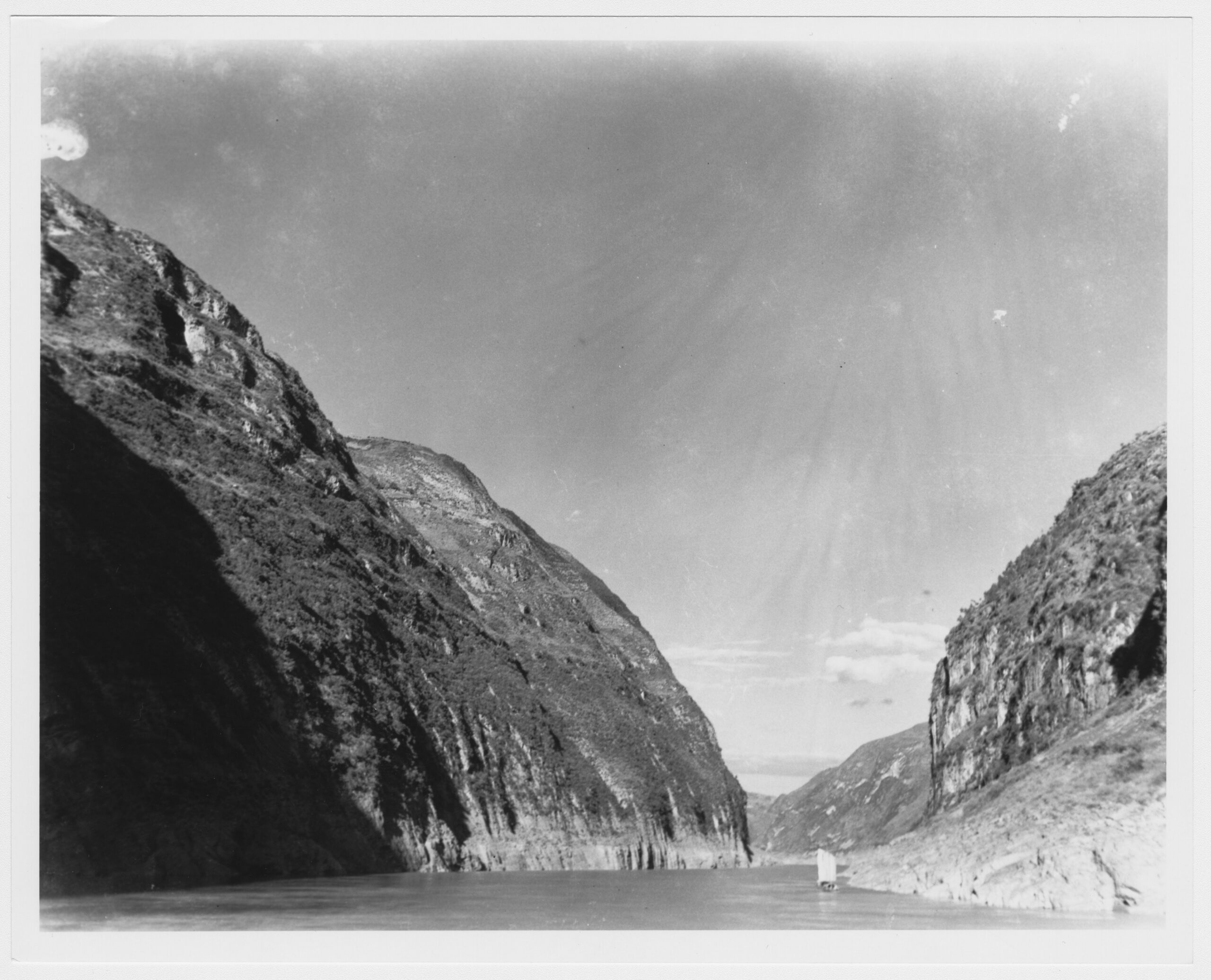
In the autumn of 1944, John L. “Jack” Savage arrived in the rugged interior of wartime China to survey the middle reaches of the Yangtze River. As the chief designing engineer for the U.S. Bureau of Reclamation (USBR), Savage was arguably the world’s foremost authority on massive hydroelectric infrastructure, having already supervised the designs for the Hoover, Shasta, and Grand Coulee dams. His mission in China was not strictly military, yet it carried immense geopolitical and strategic weight. Traveling through active war zones, he required a heavily armed military escort provided by General Qi-wei Wu, commander of the Nationalist Yangtze Defense Headquarters. Savage’s objective was to evaluate the feasibility of a mega-structure in the deep limestone canyons of the Three Gorges region—a project conceived to fundamentally alter East Asia’s economic landscape.
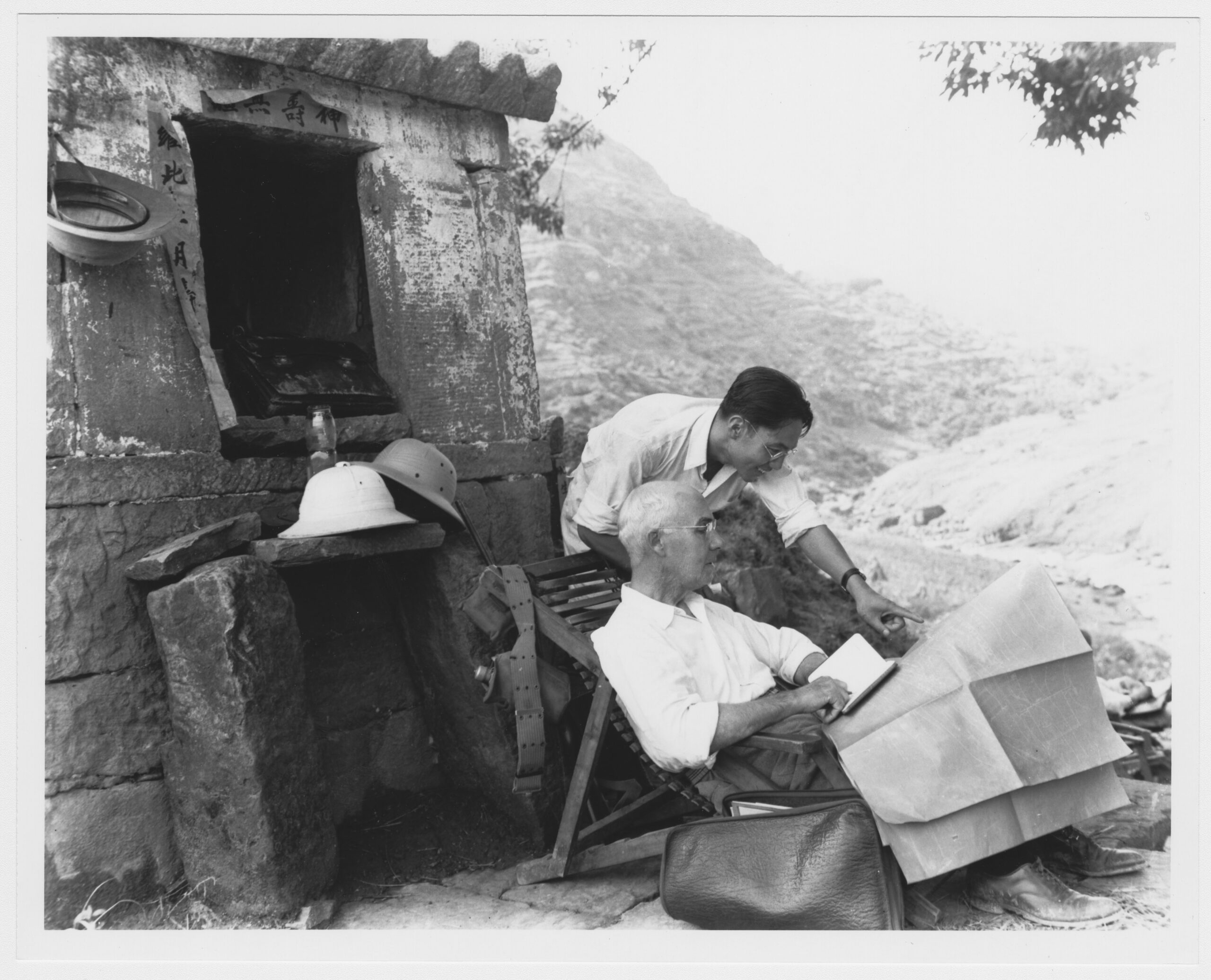
The initiative grew out of an ambitious technical partnership between the USBR and Chiang Kai-shek’s Nationalist government, which formally invited Savage to China. By 1943, the Chinese nation was locked in a brutal, exhausting war of attrition against occupying Japanese forces. Beyond the immediate military crisis on the front lines, the country faced a catastrophic domestic threat: the predictable, yet devastating, seasonal flooding of the Yangtze River. Over the centuries, these floods routinely breached regional dikes, ruined the agricultural output of China’s most fertile valleys, and displaced or killed millions of citizens. Nationalist officials realized that a single, massive dam could address several national crises simultaneously. It would tame the wild river for civil defense, open deep-water navigation channels for shipping military and commercial fleets deep into the Chinese interior, and generate the immense hydroelectric power vital for post-war industrial reconstruction.
Savage conducted his field surveys under perilous wartime conditions, working alongside Chinese engineers Hong-bin Li and Y.H. Huang to examine the challenging geology of the riverbeds. The resulting proposal, titled the Yangtze Gorge and Tributary Project—but quickly dubbed the “Savage Plan” by officials—represented mid-century civil engineering at its most audacious. Savage envisioned a concrete gravity dam rising 738 feet high near Yichang, capable of turning the volatile river into a 200-metre-deep reservoir. The massive facility was designed to house 96 mighty generators with a generating capacity of 10.65 gigawatts, which would produce five times the electricity of the Grand Coulee Dam. To solve the unique problem of moving large vessels past such a high wall, the plan even outlined an innovative system where groups of ships would enter massive locks and be lifted sequentially by specialized cranes.
To turn this blueprint into reality, the USBR and the National Resources Commission of China established a deep, integrated collaboration. Diplomatic and technical archives quickly filled with intricate engineering designs, topographical maps, and artists’ renderings. In May 1946, a formal joint-design agreement was signed, and 54 promising Chinese engineers were dispatched to the United States to train directly under Bureau specialists in Denver. This training program was intended to create a generation of Chinese experts who could oversee the construction and maintenance of the facility over the coming decades.
The project’s momentum, however, was ultimately halted not by engineering limitations, but by the shifting geopolitics of the looming Cold War. Following Japan’s defeat in 1945, the Chinese Civil War between the Nationalists and the Communists quickly resumed. Runaway inflation and a severe economic crisis forced the Nationalist government to suspend the project in August 1947. The final blow came with the 1949 establishment of the People’s Republic of China under Mao Zedong. With the Communist victory, Washington withdrew all financial and technical support from the mainland, effectively terminating the USBR partnership. The Savage Plan was shelved, and the extensive survey records became historic artifacts of a transnational alliance that dissolved almost overnight.
Though the original project sat dormant for nearly half a century, Savage’s wartime data laid the undeniable conceptual foundation for the modern Three Gorges Dam. When Beijing resurrected the concept in the late 20th century, Chinese engineers relied heavily on the early geological, hydrological, and topographical work mapped out by Savage and his team in 1944. In the preface to his original report, Savage had confidently declared the Yangtze project to be a “classic” that would eventually change China from a weak nation into a strong one. Today, the surviving archival photographs and blueprints serve as a fascinating window into a forgotten chapter of international cooperation, demonstrating that the shape of the Yangtze River was altered as much by global politics as by concrete and steel.


 Copyright © 2026
Leave a Reply