Japan’s Strange Surrender
- By Peter Harmsen
- 6 September, 2026
- No Comments
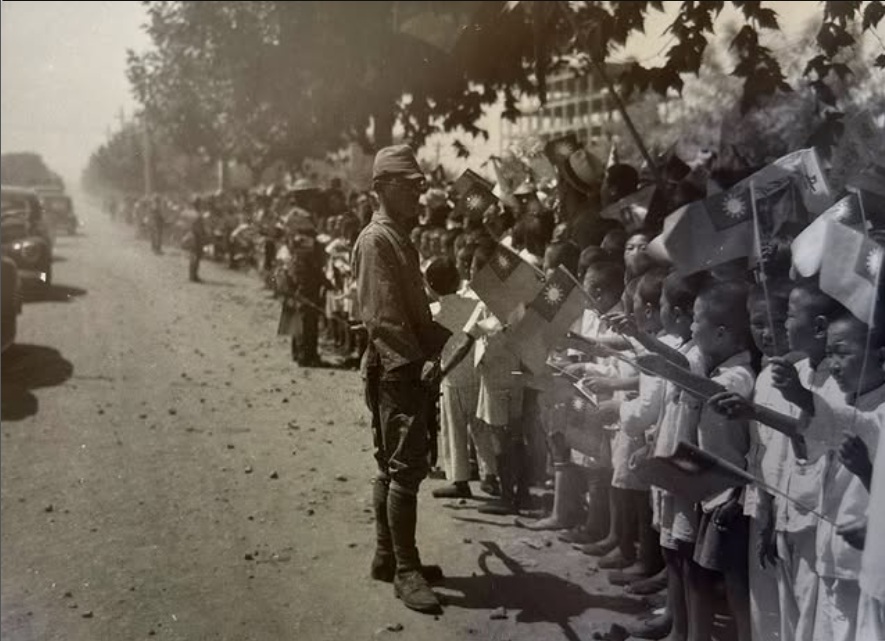
Foreign observers who arrived in the Chinese capital of Nanjing in early September 1945 for the handover of power from the Japanese occupation forces to the Nationalists of Chiang Kai-shek noticed something odd: The city, where the Japanese had carried out an infamous six-weeks massacre eight years earlier, was still policed by Hirohito’s men in uniform.
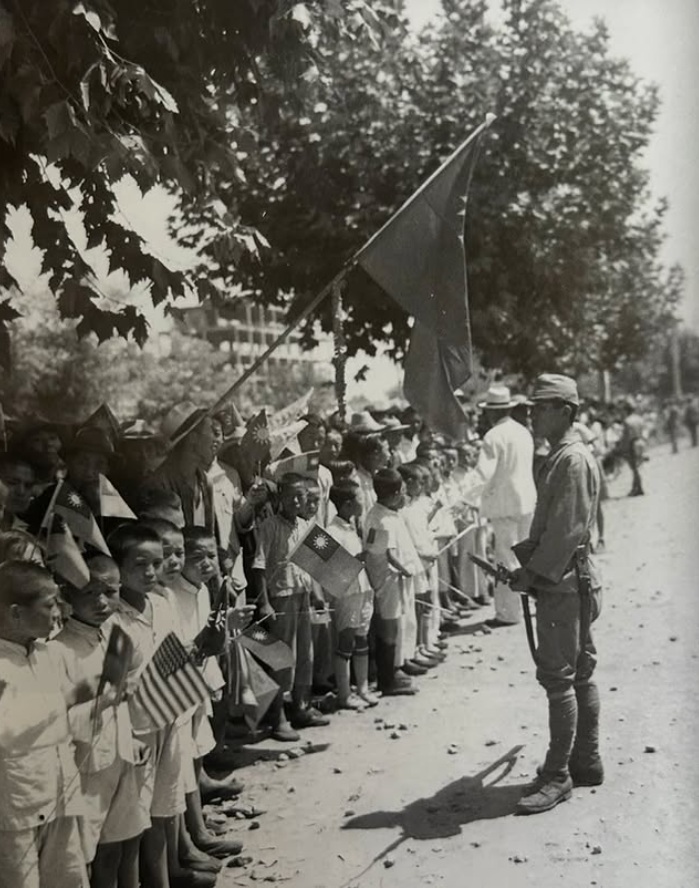
“There is nothing in Nanking that indicates its liberation,” a contemporary source noted, using the western spelling of the city common back then. “Japanese sentries are posted everywhere, with orders to maintain the peace and protect their compatriots.”
The paradox was particularly stark on September 9, when Nanjing’s civilian population lined the streets celebrating the formal surrender of the Japanese. Clutching Chinese and American flags, they were held in check by disciplined Japanese in clean new uniforms.
In fact, Chiang’s government had asked the Japanese to help maintain order during the transition period before a sufficient number of the Chinese Nationalists’ own forces had been shipped in and were able to assume the responsibilities. This happened not just in Nanjing, but also a number of other large Chinese cities.
Similar scenes unfolded in other parts of Asia. In Taiwan, soon to be handed over to Chiang, Japanese forces also continued as enforcers of law and order,
When Louis Mountbatten, Supreme Allied Commander of the South East Asia Command, landed near the town of Palembang in Sumatra, he had been informed beforehand that the Japanese were still in charge at the street level.
“It was nevertheless a great shock to me,” he said later, “to find over a thousand Japanese troops guarding the nine miles of road from the airport to the town.”


 Copyright © 2026
Leave a Reply