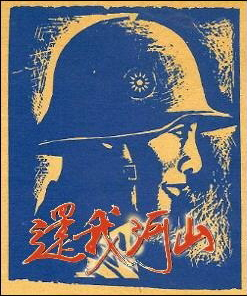
New Year in Nanjing, 1937: Hope and Horror in the Safety Zone
- By Peter Harmsen
- 31 December, 2025
- No Comments

As 1937 slipped into 1938, Nanjing was a city living through catastrophe. Only weeks earlier, Japanese forces had captured the Chinese capital, unleashing what would become known as the Nanjing Massacre. Tens of thousands were killed. Homes were burned. Women lived in constant fear of abduction and rape. And yet, within this nightmare, a fragile island of refuge existed: the International Safety Zone, organized by a group of Western residents determined to protect civilians as best they could.
Two of the most remarkable witnesses to this moment were John Rabe, a German businessman and leader of the Safety Zone Committee, and Minnie Vautrin, an American missionary who sheltered thousands of women at Jinling Women’s College. Through their diaries, we glimpse what New Year’s meant in a city torn apart.
On December 30, 1937, Rabe recorded the preparations of the new, Japanese-backed “Autonomous Government Committee.” They ordered five-striped flags and planned a grand ceremony for January 1. Rabe suspected that the new administration was more interested in taking control of funds and authority than in helping the people. “I’ll not voluntarily hand over anything,” he wrote, promising resistance, even if only symbolic.
Meanwhile, Minnie Vautrin continued to endure the daily strain of protecting thousands of terrified women and girls. Registration drives, often precursors to forced labor or conscription, were causing fear and unrest. Rumors spread. People disappeared. Vautrin noted the nervous waiting, the uncertainty, and the way even routine tasks such as serving food or maintaining order felt monumental under such tension.
Then came New Year’s Eve. There were no celebrations in the streets. No joyful gatherings. The sounds that filled the air were gunshots and shouts rather than music. Still, life inside the compounds continued as normally as possible. At Jinling College, exhausted teachers and refugees tried to hold on to some kind of rhythm: meals, work, sleep, always overshadowed by fear.
On January 1, 1938, both Rabe and Vautrin recorded the day with a mixture of disbelief and weary hope.
Vautrin wrote that the words “Happy New Year” died on one’s lips. Yet nine people gathered that morning for a small fellowship service, praying for peace and survival. Breakfast, which included pineapple, fried cake, and cocoa, felt like a rare luxury. For a moment, there was warmth and human connection. But reality soon intruded. Soldiers once again appeared near the campus, and Vautrin, ever the guardian, helped shepherd young women back to safety. She lamented how some girls, restless or unaware of the danger, still wandered too near the gate.
Rabe’s New Year was equally bittersweet. On New Year’s Eve he had shared a quiet hour of wine and conversation with a few fellow foreigners. By 11 p.m., all were in bed. Nobody was willing to risk a journey through the city at night. At dawn a refugee came to tell him his wife had fallen ill again, and Rabe rushed them to the hospital. Later that day, when he returned to his camp, he was greeted with what he described as a royal salute. Refugees lined the road and bowed deeply. They presented him with a large red-ink New Year’s greeting:
“Hundreds of millions are close to you!
The refugees of your camp
1938.”
He folded the paper and placed it in his pocket, deeply moved, unsure exactly what the phrase meant, but certain of the gratitude behind it.
Outside the Safety Zone, violence did not pause for the holiday. Looting continued. Civilians disappeared. Japanese soldiers still roamed freely despite promises to respect the Zone.
So what did New Year mean in Nanjing that winter? Not celebration. Not renewal in the usual sense. Instead, it meant endurance. It meant the stubborn will to live. It meant bowed thanks for small kindnesses, for a warm drink or a safe night’s sleep.
Through Rabe and Vautrin, we see humanity refusing to disappear, even in the darkest season of the city’s history. Their diaries remind us that the calendar still turns, that people still whisper “Happy New Year,” even when they are unsure what the year ahead will hold.
And somehow, that whisper matters.


 Copyright © 2026
Leave a Reply